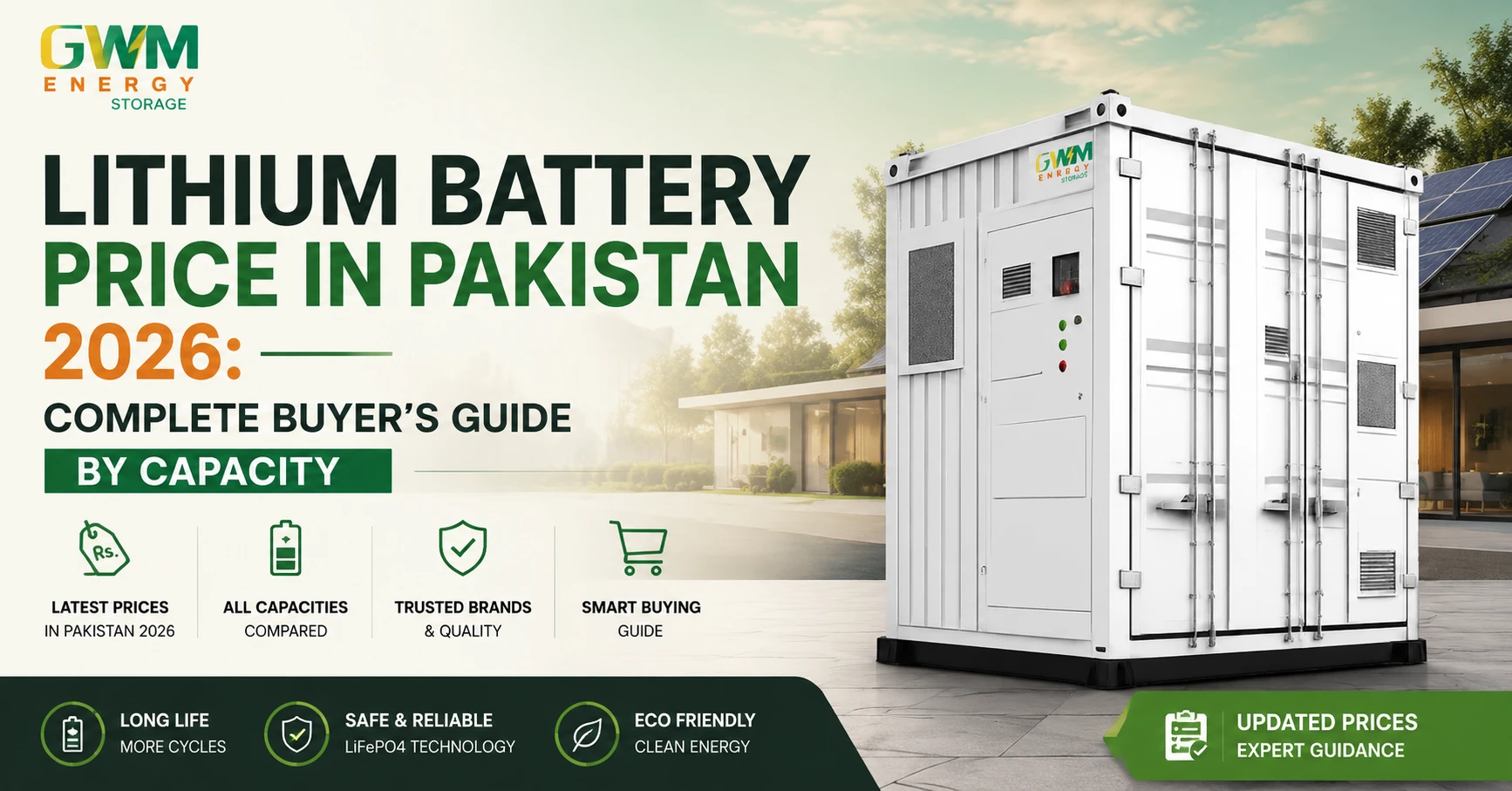
Anyone who has actually gone shopping for a lithium battery in Pakistan knows the drill. You visit one shop, get a number. You visit another, get a completely different number for what looks like the exact same battery. Nobody really explains why. Meanwhile, load-shedding keeps eating into your day, electricity bills keep climbing, and lithium batteries have quietly become the default backup solution for homes, offices, and factories across the country.
So let’s cut through the confusion. This guide walks you through lithium battery pricing in Pakistan for 2026, broken down by capacity, so you know exactly what you’re paying for and why one battery costs double another that looks identical on paper.
Why Do Prices Vary So Much for “the Same” Battery?
This is the question most people never get a straight answer to. In reality, the price tag depends on several things working together, not just the voltage and Ah number printed on the box:
- Chemistry – LiFePO4 (Lithium Iron Phosphate) sits at a higher price point than older lithium-ion types, but it lasts considerably longer and is far safer to run in Pakistan’s heat.
- Battery Management System (BMS) – This is the part most buyers overlook. A solid BMS protects against overcharging, overheating, and short circuits. Cheaper batteries often skimp exactly here.
- Brand and warranty backing – A brand with a real local service network will cost more than an unbranded import, but that difference tends to pay for itself the first time something needs fixing.
- Dollar rate and import duty – Since most cells still come from abroad, currency movement has a direct and fairly quick effect on shelf prices.
- Mounting style – Wall-mounted or rack-mounted units involve more engineering than a basic standalone unit, and that shows up in the price.
None of this means you should chase the cheapest number you find. It usually means the opposite — the lowest quote is often hiding a shortcut somewhere.
Price Ranges by Battery Capacity
12V Lithium Batteries
These are your entry point. A 12V, roughly 100Ah battery is usually the cheapest option on the market and works fine for light use — think small UPS backup, a camping trip, or a room or two during an outage. Not built for heavy-duty solar, but a sensible starting point if your needs are modest.
24V Lithium Batteries
Step up to 24V and you’re looking at something that can comfortably run a few fans, some lights, and maybe a small fridge through a power cut. It costs more than a 12V unit, mainly because of the added capacity and a beefier BMS, but it’s a good middle ground for medium-sized homes.
48V / 51.2V Lithium Batteries — The Most Common Choice
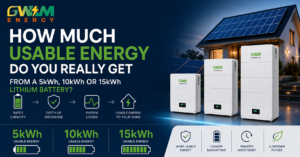
This is where most Pakistani households land, especially anyone running a 5kW to 10kW hybrid solar inverter. A 48V or 51.2V, 100Ah battery — often sold as a 5kWh or 5.12kWh unit — gives you enough backup to keep the AC, fridge, and household appliances running through a typical outage. It’s also the segment with the biggest price spread between brands, because this is exactly where BMS quality and cell grade start to matter the most.
High-Capacity Batteries (10kWh and Above)
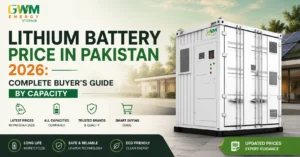
These sit at the top end and are aimed at larger homes, commercial buildings, or stackable industrial BESS installations. The real advantage here is modularity — you can start with what you need today and add more units later as demand grows, rather than replacing the whole system. For a business planning to scale, that flexibility is often worth the higher upfront cost.
Lithium vs. Lead-Acid — Is the Price Gap Actually Worth It?
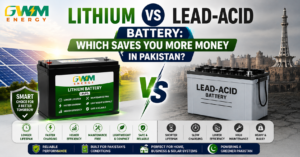
On the shelf, lead-acid looks like the budget-friendly choice. In practice, it rarely stays that way. Lead-acid batteries typically need replacing every year or two, lose capacity fast once temperatures climb, and demand regular water top-ups just to keep working. Lithium, by contrast, is rated for well over 10,000 charge cycles — meaning one lithium battery can outlast three or four lead-acid replacements. Once you add up the real cost over five years instead of just the price tag on day one, lithium wins for most households and businesses.
What Really Determines Long-Term Value
Before you commit, it’s worth checking a few things beyond the price:
- Cycle life — how many charge and discharge cycles is the battery actually rated for?
- Warranty — five years should be treated as the baseline for a genuine LiFePO4 battery.
- BMS protection — does it properly guard against overcharge, over-discharge, and heat buildup?
- Local support — can you actually get service or a replacement part in Pakistan, or are you on your own if something goes wrong?
- Inverter compatibility — does the voltage and communication protocol match what your inverter needs?
A battery that saves you a bit upfront but skips proper BMS protection or comes with no local backup can cost you far more down the road.
Which Capacity Is Right for You?
- Occasional or light backup → 12V–24V
- Full home solar backup (AC, fridge, lights, fans) → 48V/51.2V, matched to your 5kW–10kW inverter
- Commercial spaces (offices, hotels, hospitals, retail) → Stackable ESS or BESS sized to peak demand
- Industrial facilities → Scalable, high-capacity BESS with intelligent load management
Getting the size wrong is by far the most expensive mistake buyers make — either overpaying for capacity you’ll never use, or underbuying and running out of backup right when you need it most. A proper load assessment before you buy saves money either way.
Frequently Asked Questions
What size lithium battery does my home actually need?
It comes down to your daily power usage and how many backup hours you want. Most homes running a 5kW–10kW hybrid inverter go with a 48V or 51.2V battery somewhere between 100Ah and 200Ah. Adding up your appliances’ wattage against your desired backup time gives you the clearest answer.
Is the higher price of lithium actually worth it over lead-acid?
For the majority of users, yes. Lithium lasts longer, charges faster, needs no maintenance, and simply handles Pakistan’s climate better. The extra upfront cost typically pays for itself within two to three years compared to constantly replacing lead-acid batteries.
Why do lithium battery prices keep changing?
Mostly because of the dollar rate and import duties — since most cells are imported, currency swings show up in retail prices fairly quickly. It’s worth checking current rates close to your purchase date.
What makes LiFePO4 different from other lithium batteries?
LiFePO4 is more thermally stable, safer under heat, and rated for a longer cycle life than standard lithium-ion chemistries, which is exactly why it’s the preferred choice for solar and home backup in Pakistan.
Can I add more capacity to my battery system later on?
With many modern stackable systems — especially in commercial and industrial BESS setups — yes. You can start with what covers your current needs and expand the system as demand grows, instead of replacing it outright.
Ready to Choose the Right System?
Price is only part of the decision. What actually matters is matching the right capacity, safety standards, and warranty support to how you use power day to day. Whether it’s a home, a business, or a full industrial setup you’re planning for, our team can help size the right system and give you a clear, honest quote.
Talk to an Energy Expert or browse our complete range of lithium battery and energy storage products.
Related reading: